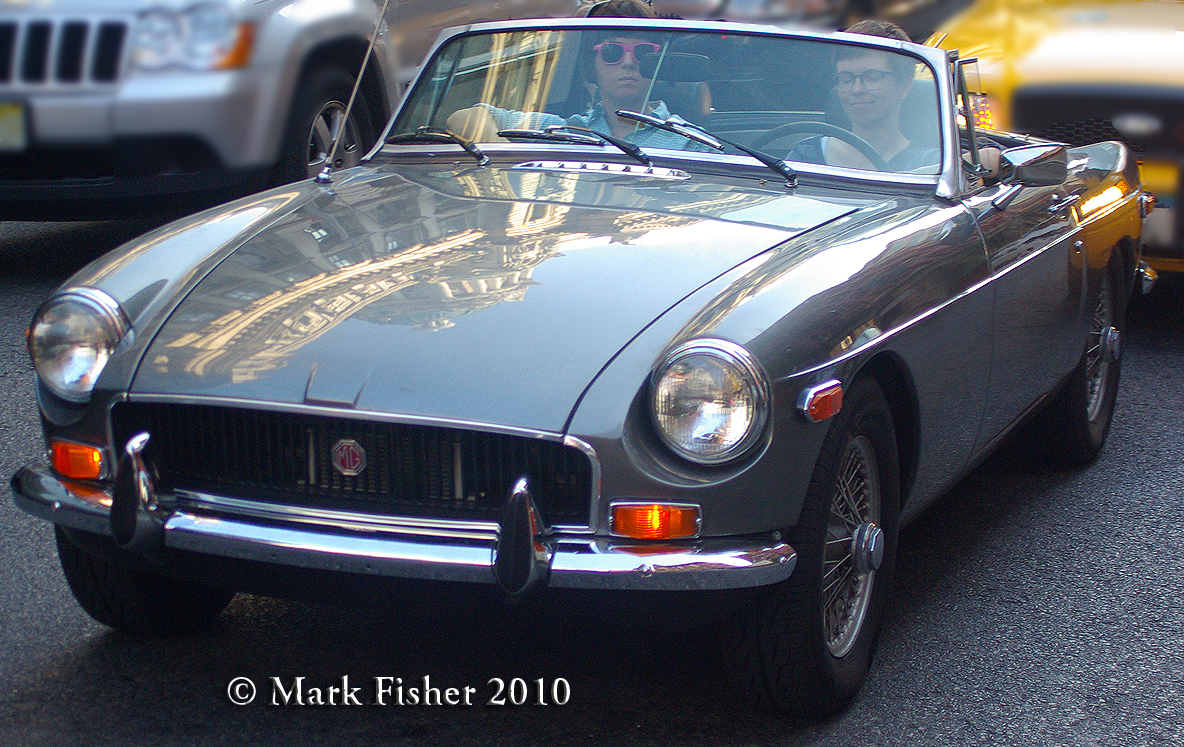
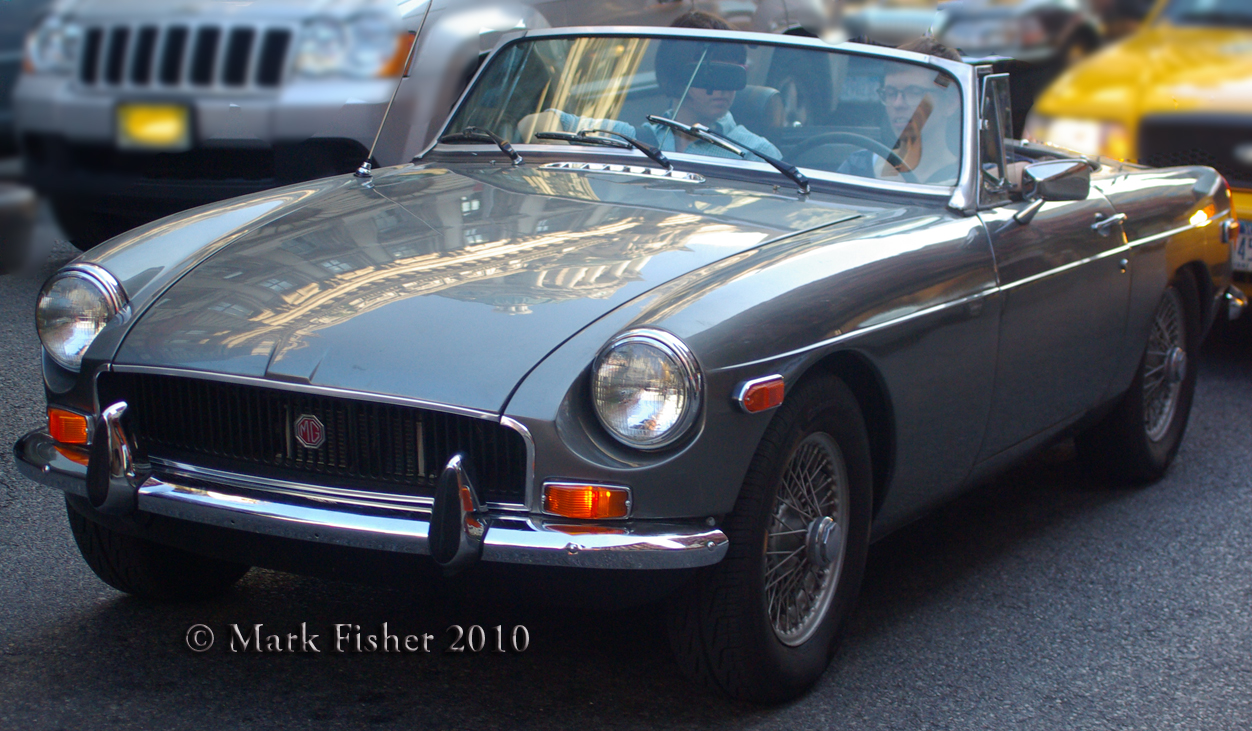
MG Cars is a former British sports car manufacturer, which was founded in 1924, the creator of the MG brand.
MG Cars is best known for its two-seat open sports cars, but MG also produced saloons and coupés. More recently, the MG marque has also been used on sportier versions of other models belonging to the parent company.
The MG marque was in continuous use (barring the years of the Second World War) for 56 years after its inception. Production of predominantly two-seater sports cars was concentrated at a factory in Abingdon, some 10 miles (16 km) south of Oxford. The British Motor Corporation (BMC) competition department was also based at the Abingdon plant and produced many winning rally and race cars. In the autumn of 1980, however, the Abingdon factory closed and MGB production ceased.
Between 1982 and 1991, the MG marque was revived on sportier versions of Austin Rover’s Metro, Maestro and Montego ranges. After an interval of barely one year, the MG marque was revived again, this time on the MG RV8 — an updated MGB Roadster with a Rover V8 engine, which was produced in low volumes.
The “real” revival came in the summer of 1995, when the high volume MG F two-seater roadster was launched. This was an instant hit with buyers, and sold in volumes which had been unthinkable on affordable two-seaters since the 1970s.
The MG marque passed, along with the Rover marque to the MG Rover group in May 2000, when BMW ‘broke up’ the Rover Group. This arrangement saw the return of MG badges on sportier Rover-based cars, and a revised MG F model, known as the MG TF, launched in 2002. However, all production ceased in April 2005 when MG Rover went into administration.
The assets of MG Rover were bought by Chinese carmaker Nanjing Automobile in July 2005 who themselves were bought by SAIC in December 2007.[1]
In 2007 production of the MG TF roadster and MG 7 large sports saloon (derived from the previous Rover 75/MG ZT model) started in China.[2] Assembly of MG TFs for the European market, from Chinese built complete knock down (CKD) kits, was started by NAC MG UK at Longbridge in August 2008.[3]
Retaining the exterior changes of this model, in 1962 Fiat introduced the 3rd generation 1100, called the 1100D. “D” stood for Delight. It was a sober yet comfortable 4-door sedan, very similar to the Granluce but with simpler sides and a new simpler rectangular mouth. The 1100D was a successful Italian Standard in the early sixties and along with its own Estate or Family car version and a Deluxe Model that offered a higher performance with 50 hp, extra side mouldings, front bench seat with two reclining backs and carpet floor mats. These survived without any substantial alteration until 1966, when the introduction of the groundbreaking 124 model imposed a further change in styling.









 Don't Blink, You Will Miss It!